How an NSFW AI Image Generator Changes Adult Anime Art
Adult anime art has always had a dedicated audience, but creating it traditionally required significant drawing skill, expensive commissions, or hours of hunting through image boards. That reality has shifted dramatically with the rise of specialized tools that can produce uncensored anime-style images from text prompts alone. An NSFW AI Image Generator, when tuned for this specific niche, offers something older platforms never could: instant visual feedback on your own character ideas, without waiting for an artist or sifting through pre-existing work.
I have spent the past several years working with generative models across different domains, and the adult anime space is one of the most technically interesting. The models have to handle anatomy, stylized proportions, and composition in a way that respects the anime aesthetic while still allowing explicit content. That is a much harder balance than it sounds. Most general-purpose image generators either censor too aggressively or produce results that look nothing like the source material. The difference with a purpose-built NSFW AI Image Generator is that it understands the visual language of adult anime from the ground up.
Why General Models Fall Short
Mainstream tools like Midjourney and Leonardo AI produce beautiful images, but they have strict content filters that block nearly any explicit output. Even if you try to work around them, the models themselves were trained on datasets that deliberately exclude adult content. That means they simply do not know how to render certain poses or body types with the exaggerated features common in anime erotica. Stable Diffusion changed the landscape because its open-weight releases allowed community fine-tuning, but the base model still needed significant retraining to handle uncensored anime work.
Platforms like Civitai and Tensor.Art have become hubs for sharing these fine-tuned models. A creator can download a checkpoint trained specifically on Danbooru or e621 tags and get coherent results for tags that would be rejected by Midjourney outright. But even those models require careful prompt engineering and often produce inconsistent anatomy. The real leap forward came when developers started building dedicated generators that combine a fine-tuned diffusion model with a frontend designed for adult anime workflows.
What a Dedicated Generator Does Differently
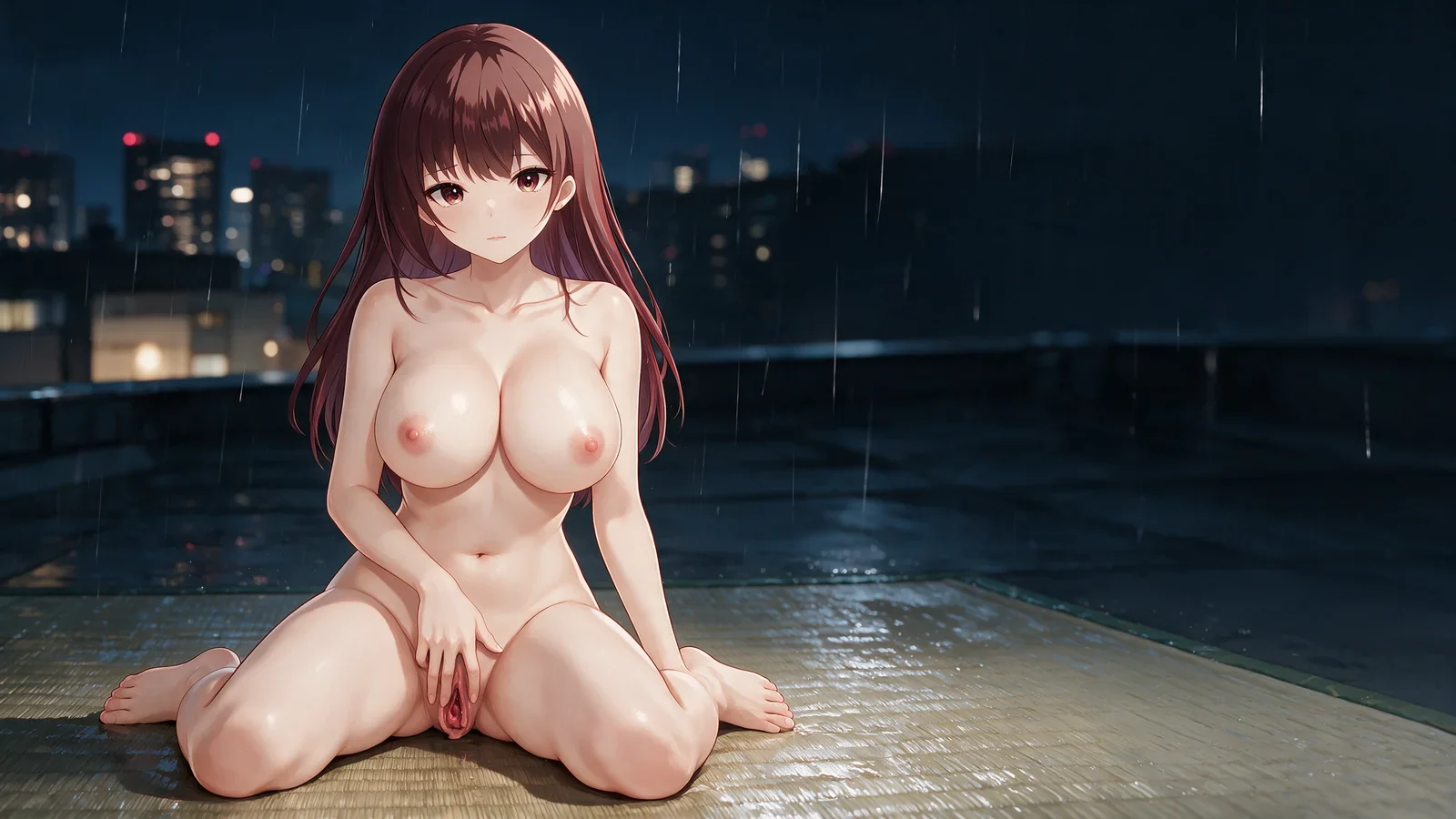
A dedicated NSFW AI Image Generator does not just remove censorship filters. It restructures the entire generation pipeline around the needs of adult anime creators. The model is trained on curated datasets from sources like Pixiv, Danbooru, and e621, which means it understands the specific visual conventions of the genre: the way hair flows, how eyes reflect light, the proportion ratios that make a character look distinctly anime rather than realistic. It also handles explicit content naturally because the training data includes those examples.
Character design becomes a conversation rather than a guessing game. If you want a character with a specific hairstyle, body type, and outfit, you can describe it in natural language or use tag-based prompting similar to what you would use on Danbooru. The generator understands compound tags like blonde twintails, school uniform, thighhighs, embarrassed and renders them together without losing coherence. That is something that older tools like NovelAI's image generator attempted, but the newer models have improved dramatically in consistency across multiple generations.
Another major advantage is scene composition. You can specify not just the character but the environment, lighting, and dynamic elements like water or wind effects. The generator respects spatial relationships better than earlier models, so characters stay in frame and interact with props and backgrounds in believable ways. This matters a lot for VRChat avatar creators who need consistent character renders from multiple angles, or for Blender artists who use generated images as reference for 3D modeling.
Customization Beyond the Prompt
Prompting alone rarely gives you exactly what you want on the first try. That is where deeper customization features come in. Many generators now support inpainting and outpainting, letting you modify specific parts of an image without regenerating the whole thing. If the face is perfect but the hand looks wrong, you can mask the hand and regenerate only that area. Some tools integrate with ComfyUI or Automatic1111, giving you node-based control over every step of the diffusion process. For power users, this level of control is essential.
Character consistency across multiple images has also improved. You can seed a character's appearance and then generate that same character in different poses, outfits, and settings. This is invaluable if you are developing a character for a comic, a game mod, or a Hololive-style vtuber model. Older tools like Crypko and Waifu Labs could generate anime faces but struggled with full-body consistency and explicit content. The new generators bridge that gap, offering both high-quality anime style and uncensored output in a single workflow.
Style transfer is another feature worth mentioning. Anime Style Transfer techniques let you apply the visual flavor of a specific artist or show to your generation. You might want a character that looks like it came from a particular Pixiv artist's gallery, or you might want the rendering style of a specific Hololive illustrator. The generator can learn those stylistic cues from reference images and apply them to new creations. This is not the same as copying an artist's work; it is about understanding the visual grammar of a style and reusing it in original compositions.
Practical Considerations and Trade-offs
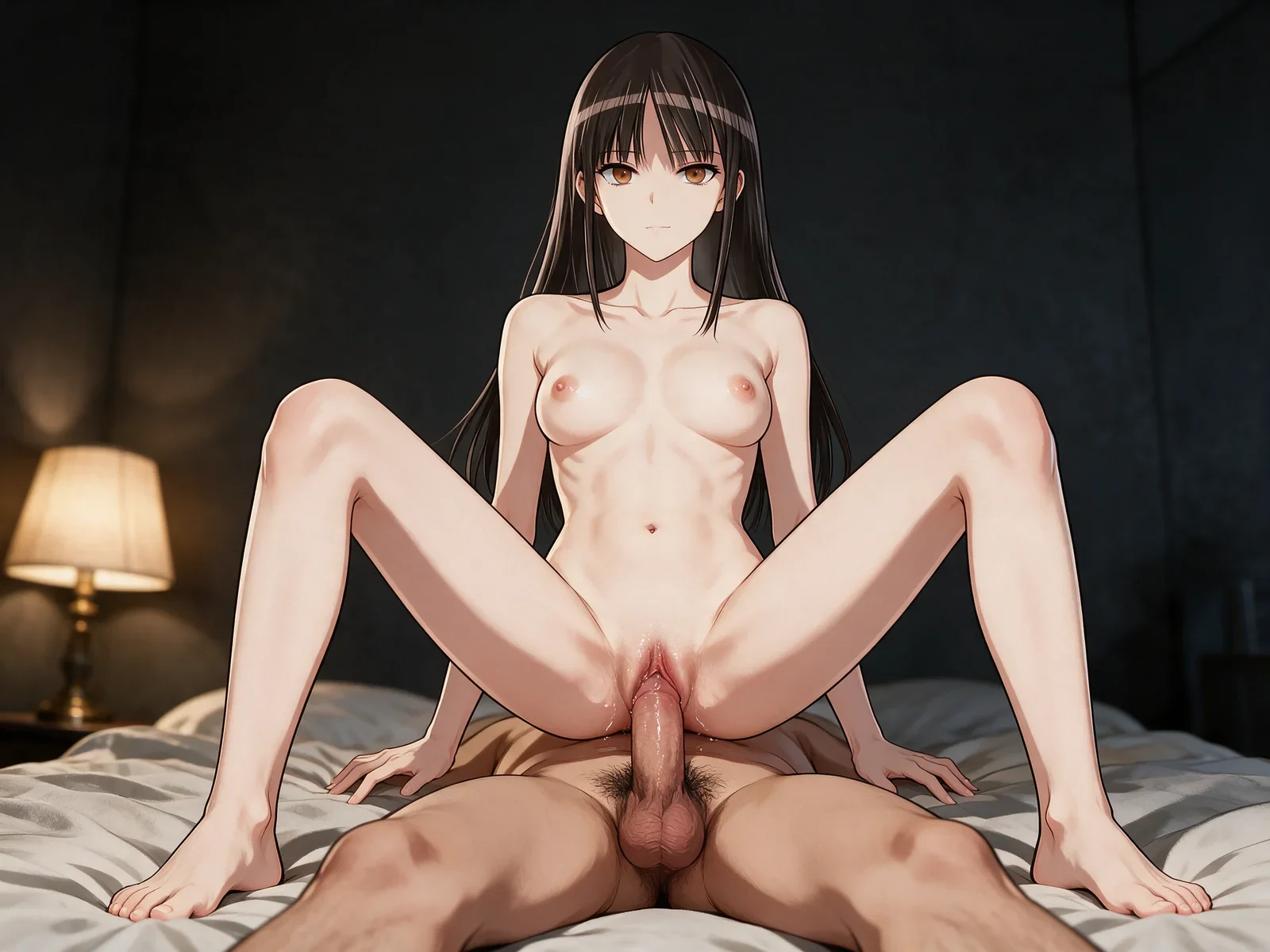
No tool is perfect, and an NSFW AI Image Generator comes with its own set of trade-offs. The most obvious one is anatomical consistency. Even the best models sometimes produce extra fingers, distorted limbs, or faces that look slightly off. The rate of these errors has dropped significantly over the past year, but they still happen, especially with complex poses or multiple characters in a single scene. You need to be comfortable cherry-picking generations and occasionally fixing details manually or through inpainting.
Another trade-off is the learning curve. Tag-based systems like those used on Danbooru or e621 are powerful but require familiarity with the tagging conventions. If you are new to the space, you might find yourself getting results that are technically correct but aesthetically unappealing. It helps to browse platforms like Civitai or Tensor.Art to see what prompts other users are running and how they structure their tags. Over time, you develop an intuition for how the model interprets different phrases.
There is also the question of style variety. Most dedicated generators are trained predominantly on anime and manga art. If you want something that looks like a semi-realistic painting or a Western comic book, you are better off with a different tool. For the adult anime niche, however, these generators are the best option available. They understand the aesthetic in a way that general models simply do not.
Where the Ecosystem Is Heading
The landscape is evolving fast. Character.AI and similar chatbots have shown that users want to interact with generated characters conversationally, and some image generators are beginning to integrate that feedback loop. You might generate a character, give it a personality profile, and then have the generator produce images that reflect its emotional state or recent history. That is still experimental, but the building blocks are already in place.
Niji Journey, a sibling of Midjourney trained specifically on anime, has pushed the quality ceiling higher, though it still applies light censorship. For truly uncensored work, the open-source ecosystem around Stable Diffusion remains the primary path forward. Tools like ComfyUI and Automatic1111 give you total control over the generation process, and the community on Civitai and Tensor.Art continues to release better models and LoRAs (low-rank adaptations) that improve anatomy, style, and composition.
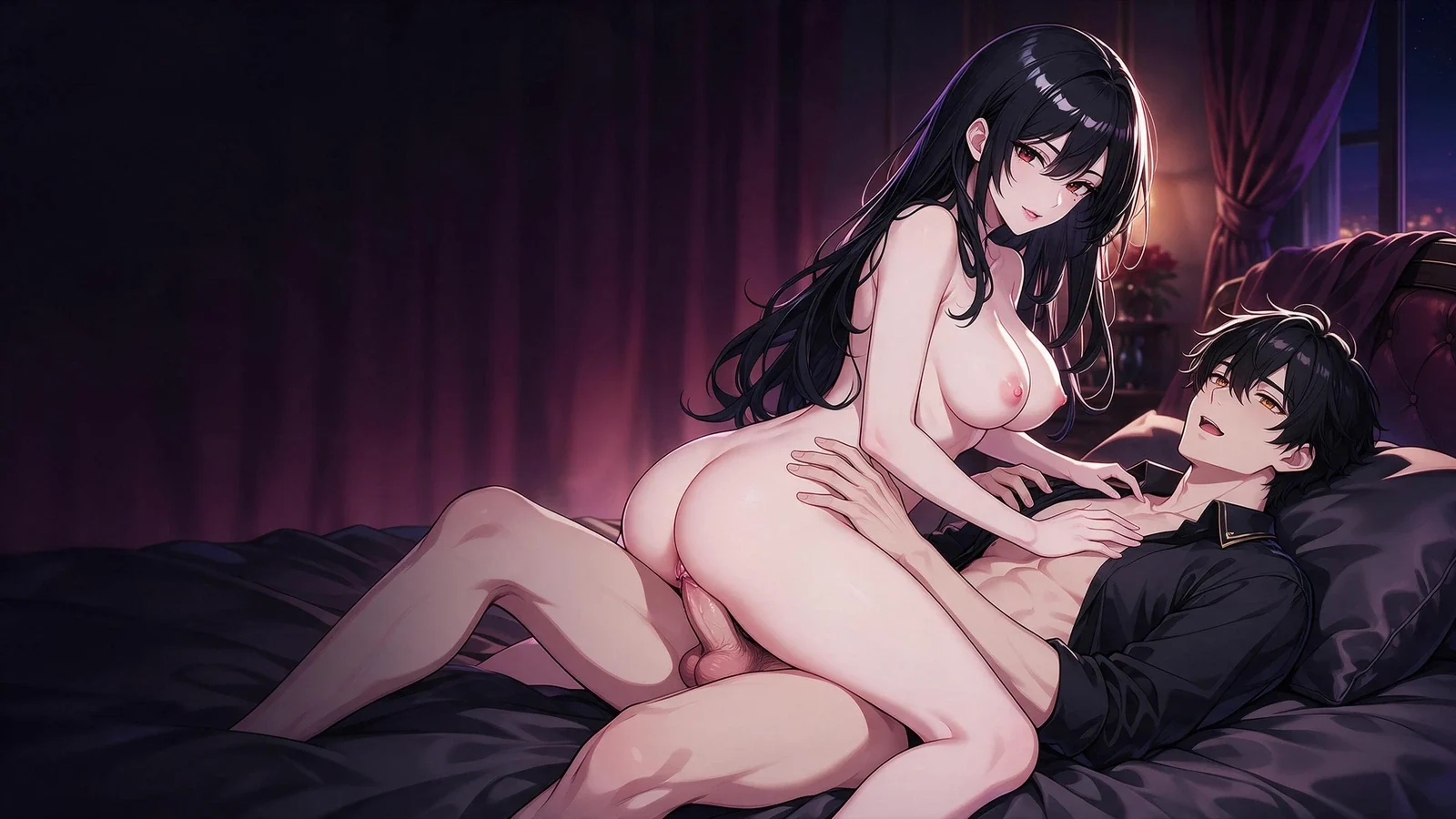
Artbreeder and Pixiv's own AI features have also added anime-specific capabilities, but they operate within stricter content guidelines. If your goal is adult anime art without arbitrary restrictions, a dedicated NSFW AI Image Generator is the most practical solution. It removes the friction of working around censorship while still delivering the high-quality, stylized output that the community expects.
For anyone serious about creating adult anime content, whether for personal projects, VRChat avatars, or commercial illustration, investing time in learning one of these generators pays off quickly. The ability to iterate on character designs in minutes instead of days, to explore variations of a concept without additional cost, and to maintain consistency across a body of work changes the creative workflow fundamentally. The technology is not perfect, but it is already good enough to be genuinely useful. And it keeps getting better.